With carrier capacity tightening and growing demands for shorter delivery cycles, the traditional strategy of procurement cost saving and shipment consolidation opportunities have to be supplemented through innovative solutions, to deliver the best bang for the buck.
This is especially relevant for third-party logistics/transportation management service providers, whose service fee is based on reducing cost and streamlining the customer’s supply chain.
Bob Daymon, vice president of transportation management operations for Penske Logistics, offers his tips.
1. Visibility to freight cost drivers
Freight movement has become all about data mining...have you heard the buzzword Big Data being bandied about? The ability to analyze the freight spend down to a single customer, at an order or even at a product level, can be a key input to developing competitive product pricing and identifying opportunities for change.
2. Increased customer service and the ability to service different size orders
Highly sophisticated order optimization capabilities can be provided by the TM team, without compromising the delivery requirements and freight spend budget. Load planners use sophisticated algorithms to determine the optimal mode of transportation.
3. Inventory control/driving warehouse efficiency
Effective transportation planning takes into account material availability and order fulfillment requirements, ensuring warehouse capacity and that those resources are optimally utilized. Attempting to “levelize” flow through a DC or inbound to manufacturing is a critical aspect to controlling overall logistics costs. Additionally, some level of predictability helps in the carrier sourcing aspect of the business too.
4. Go green/sustainable business practices
A smaller carbon footprint can be had in nearly any operation via consistently and continuously seeking shipment planning options, consolidation opportunities and mode shift capabilities.
5. Becoming shipper of choice, for the highly market sensitive carrier base
By putting in strategies that drive capacity commitments, easy pay terms and rewarding performance, shippers are making it easier for carriers to do business with them. Understanding ways to aid your partner carriers is crucial in tight capacity marketing. Working with carriers and all the freight you manage to create continuous movement strategies is a win-win approach.
6. Provide visibility to shipments and communicating en route deviations
Having the ability to proactively identify service disruptions is critical. One of the most overlooked success factors to shipment tracking is simply defining what the expectation is. Too often the 3PL and customer are not aligned on expectation of shipment tracking. Additionally having a robust process, and authority to act when shipments do not go as planned, is important to effectively manage distressed shipments.
 7. Scalability/leverage across business units and functions, etc.
As your organization expands through growth and acquisitions will your TM platform meet the increased demand and complexity? Having a scalable solution is critical to meeting today’s rapidly changing business environment. Integrating all your business units and acquisitions onto one platform will allow you to manage your business through a single lens.
8. Management by metrics
Utilizing the right metrics to monitor the health of your network is critical. TM systems provide a wealth of information, but it can be overwhelming finding the right metrics to manage your business. Identification of key process indicators will help focus your search for the right data. It’s also important to have flexibility in generating metrics. As your business changes, so will your metrics requirements. Having the ability to transform data into usable knowledge is the goal.
9. Relationship management
When selecting a 3PL to manager your business, defining the rules of engagement is critical to success. Empowering people to make decisions and holding them accountable for the outcome is a foundational aspect for any program. Understanding the client’s business environment and aligning the right resources to the program is a must. There may be occasions when the relationship is challenged. Having a strong relationship and project sponsorship on both sides will ensure a successful outcome.
10. Change management
Does your company embrace or challenge change? Having the mindset to accept changes is critical for any 3PL to deliver value. Engaging with a 3PL or TMS software and asking them to do what we do today and expecting a different outcome will lead to disappointment. Being able to accept change is critical for the success of any program.
By “Move Ahead” Staff
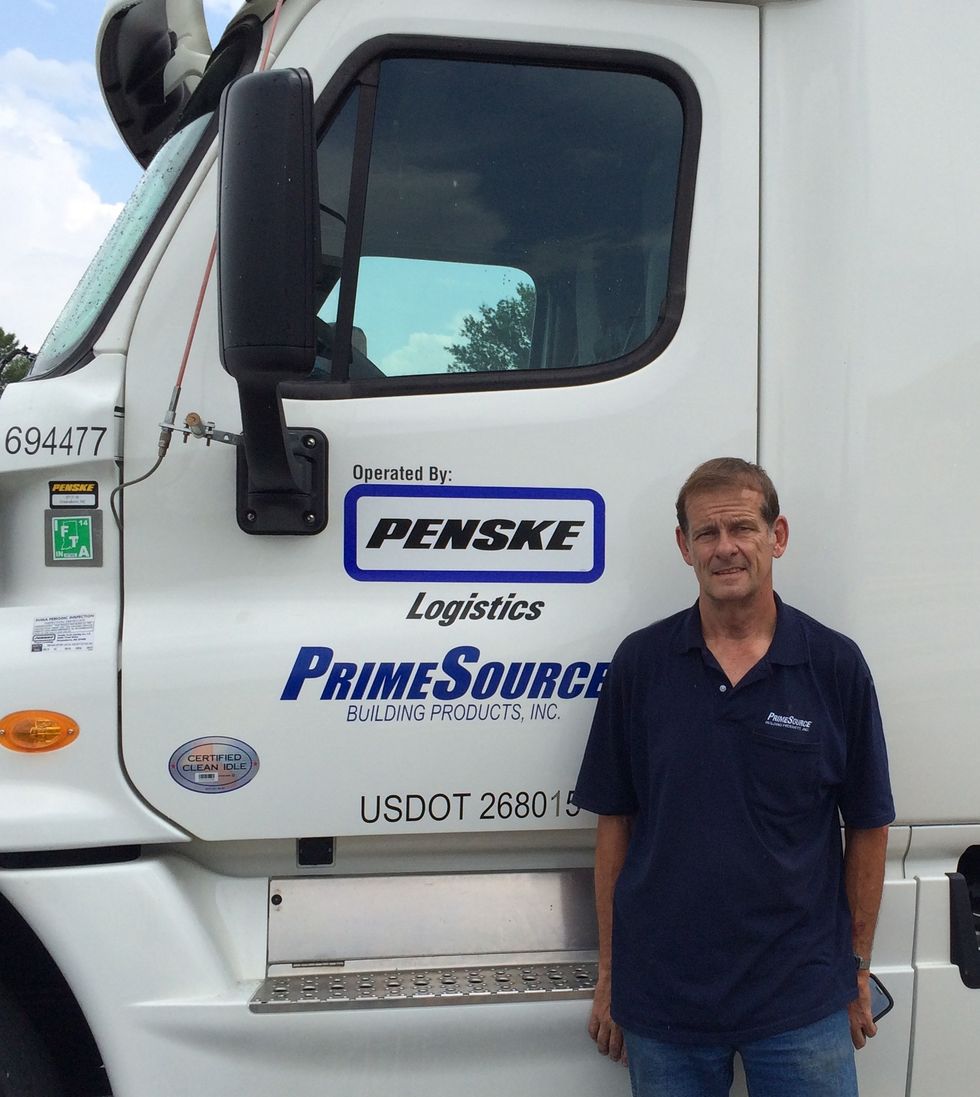


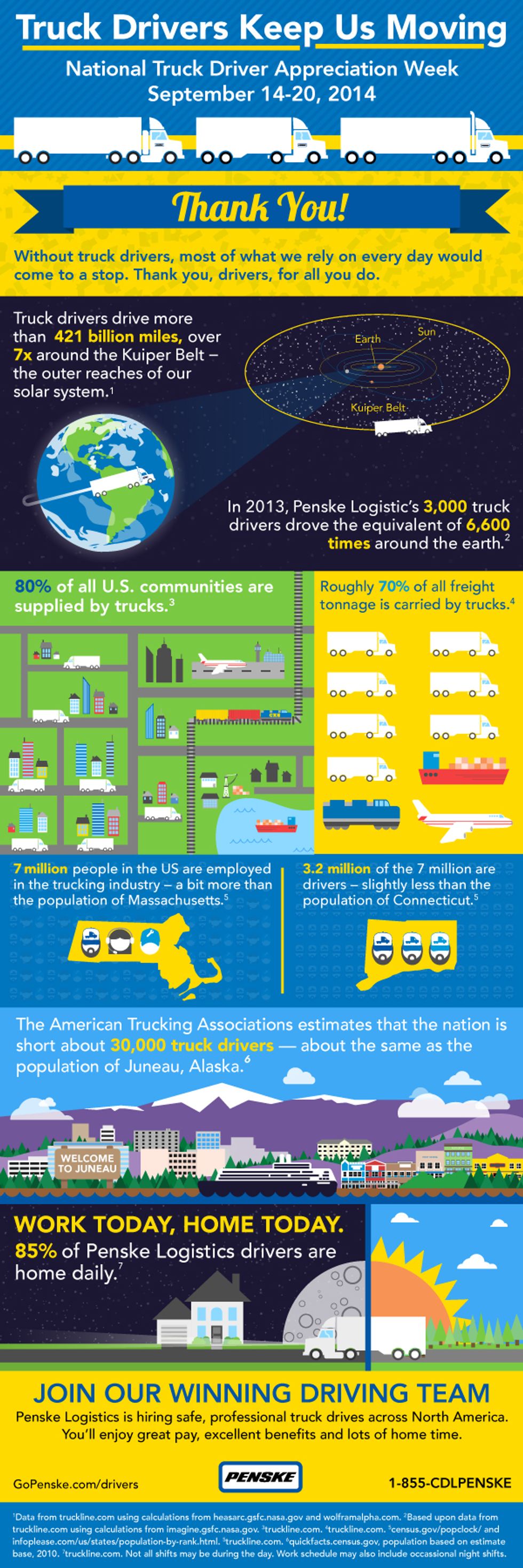
 Without truck drivers, most of what we as consumers rely on every day would come to a stop. In honor of National Truck Driver Appreciation Week from Sept. 14-20,
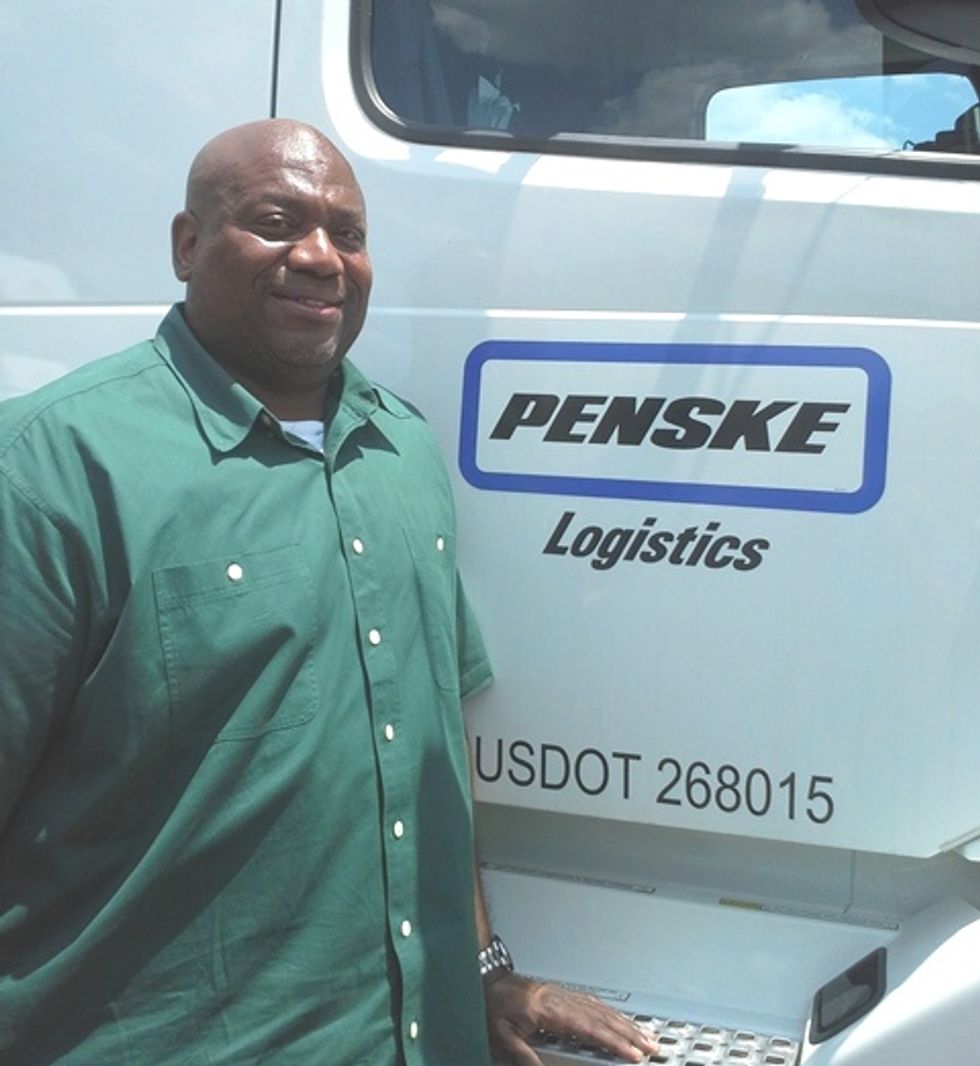
 Giving balance to his life, Clemons decided four years ago to feed his love of music by playing the trumpet. He plays contemporary and jazz tunes in his spare time and on weekends.



 7. Scalability/leverage across business units and functions, etc.



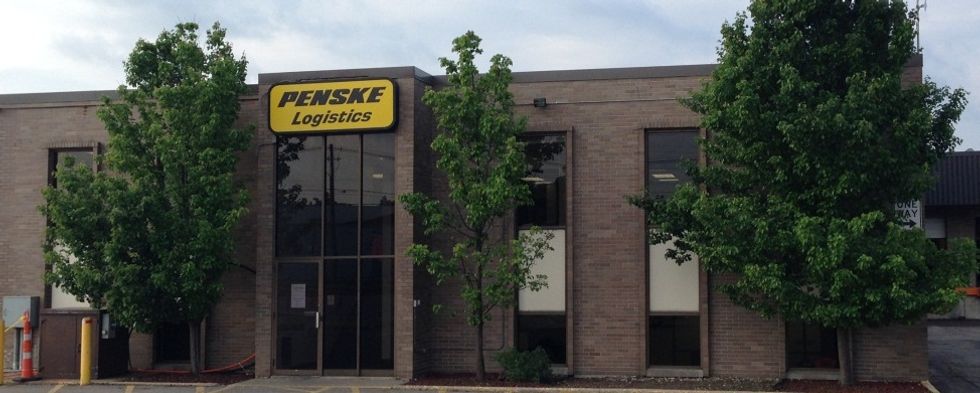 Penske Logistics has earned additional business with
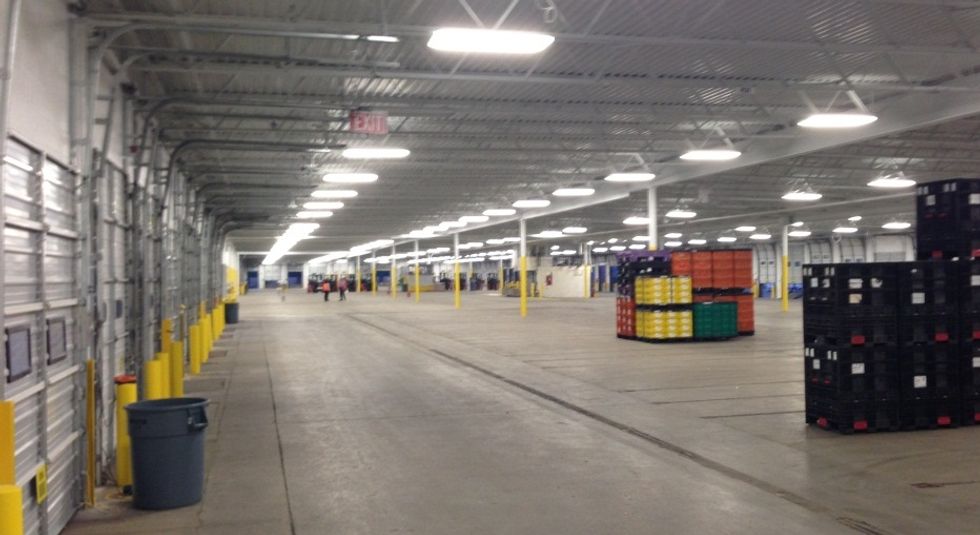
 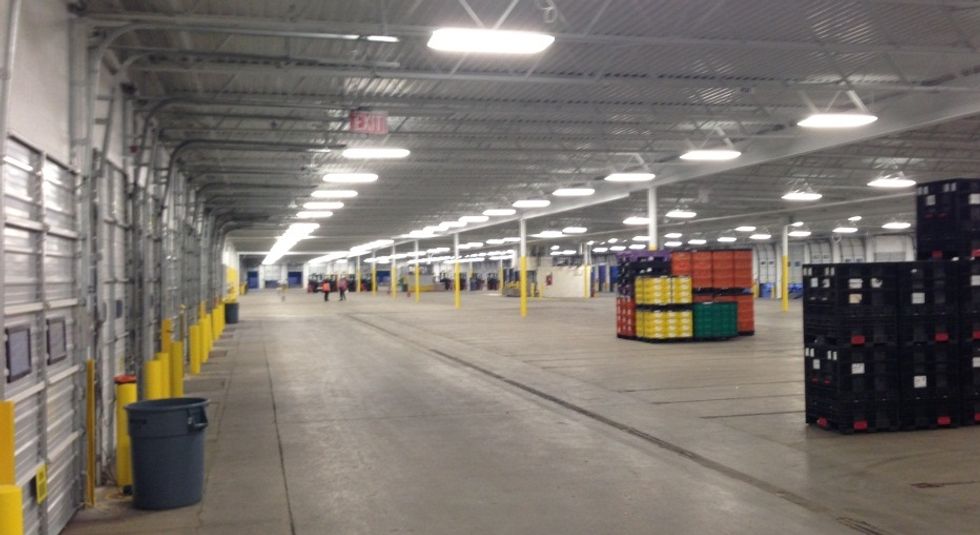 The 114-door facility has 93,850 square feet of loading-dock space and 7,320 square feet of office space. When operating at full capacity, the site is expected to process millions of pounds of freight on a weekly basis to support Ford’s assembly, powertrain, stamping, service parts, and reverse logistics operations.
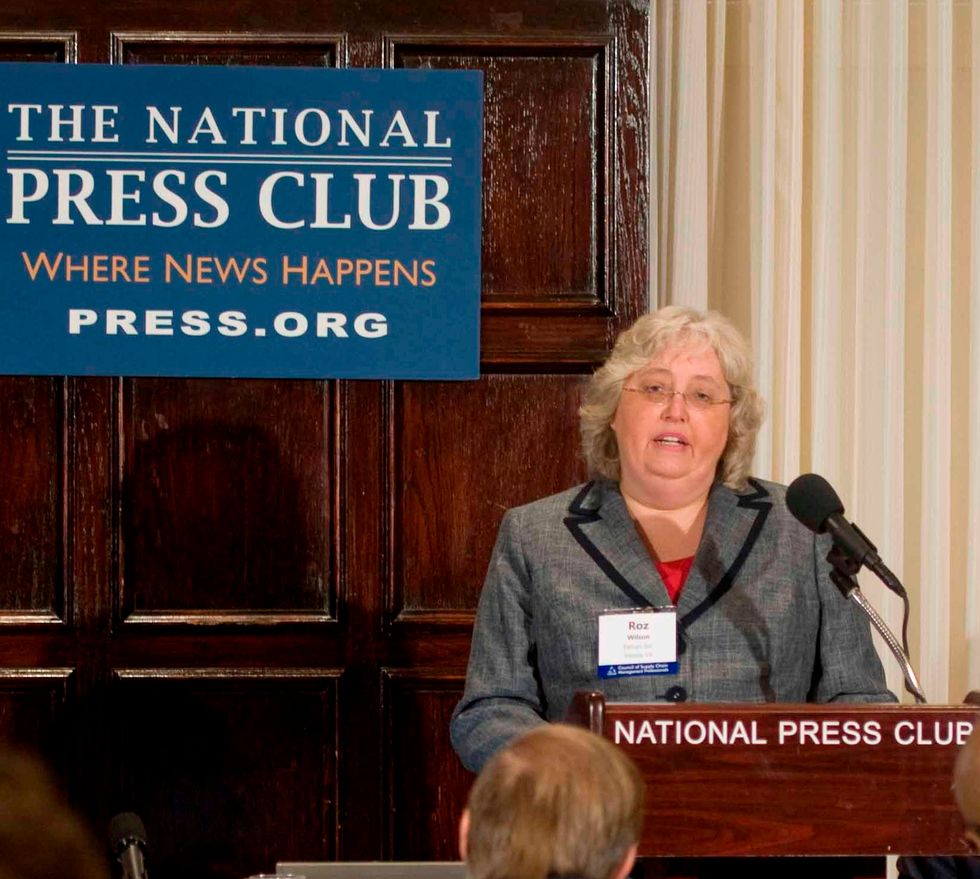 Today at the National Press Club in Washington, D.C., The Council of Supply Chain Management Professionals (
 Compared to 2012, the water sector’s performance improved, rising 4.5 percent. Ocean carriers continue to expand available space as larger containers ships are delivered, and new alliances and operational controls are improving their balance sheets.