Leverage Used Trucks To Help Manage Weather Disruptions
Used equipment offers fast access and lower costs
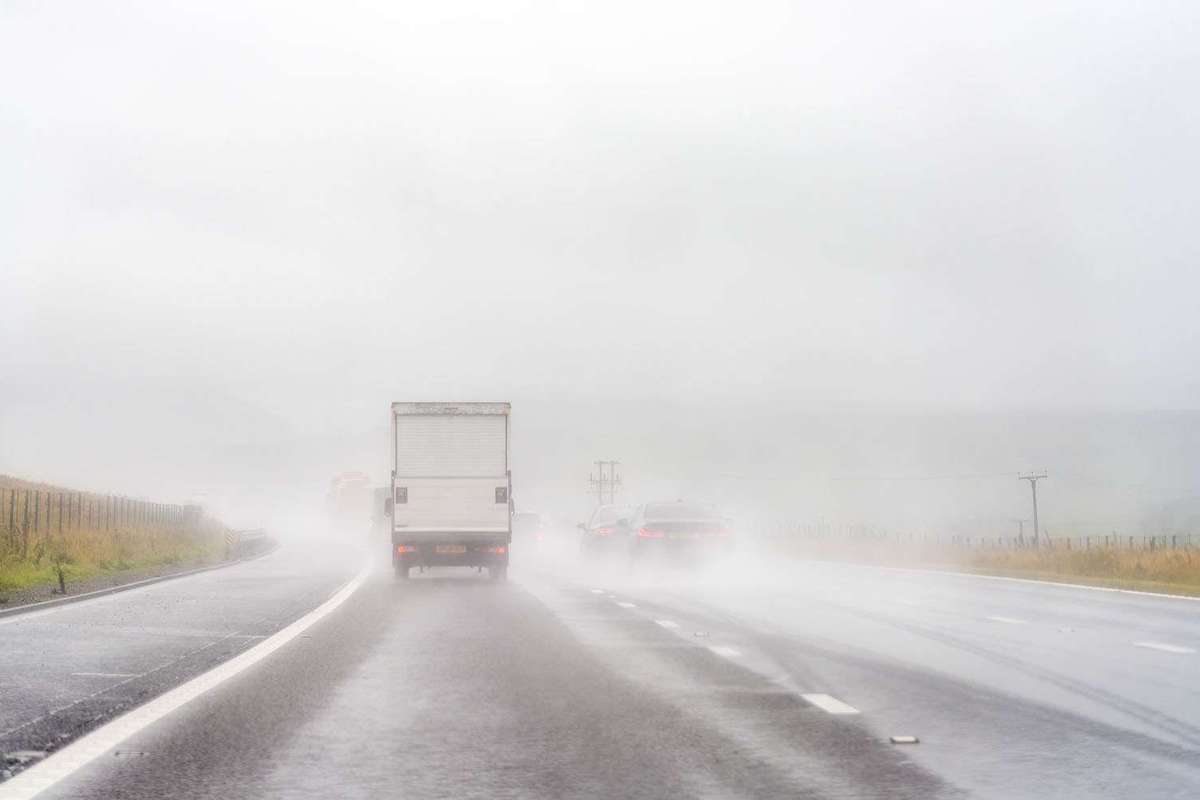
When severe weather disrupts trucking operations and creates sudden capacity needs, the ability to respond quickly can help fleets meet customer commitments and maintain service. Used trucks and trailers give fleets a practical, cost-effective way to meet shifting demand without the upfront costs and long lead times associated with new equipment.
For fleets managing weather-related issues, the combination of speed, affordability and flexibility makes used equipment a valuable part of their resilience strategy.
Rapid Access to Replacement Equipment
Severe weather can cause damage that takes weeks to repair. New truck and trailer orders, even in a normal market, can require several months of lead time. Used trucks and trailers are often available immediately, allowing fleets to add new capacity in days rather than months.
Lower Acquisition Costs
Weather disruptions are expensive. Repair costs, rescheduled loads, detention fees and lost revenue can all add costs at the same time a fleet may need to invest in replacement equipment. New truck and trailer prices have risen significantly in recent years, making the cost differences between new and used equipment even greater. Used trucks offer lower upfront costs, which can reduce financial exposure, help preserve capital, and provide a faster return on investment.
Building a More Resilient Fleet Mix
Some areas face more frequent weather disruptions than others. Used trucks give fleets a cost-effective way to strategically place capacity in higher-risk regions without committing large capital investments.
Used equipment can also help fleets create a strategic mix of older, mid-life and newer assets so they can stagger maintenance needs and replacement cycles to smooth costs over time.
Right-Sizing Based on Demand
Weather events can sometimes contribute to shifts in freight flows. Routes that were high-volume before a storm may slow down during recovery and others may experience unexpected surges. Used trucks give fleets the flexibility to adjust their equipment mix based on their new operating conditions. The used truck market provides access to light-, medium- and heavy-duty vehicles as well as multiple trailer types and configurations, so fleets can match equipment to actual demand rather than relying on a fixed asset base that may no longer fit post-disruption conditions.
Greater Control
Owned equipment gives fleets direct control over how assets are operated, maintained and deployed. There are no mileage or use restrictions, which can be helpful if routes shift, equipment needs to be redeployed across regions or if a fleet wants to temporarily sublet their trucks. Ownership also creates financial advantages through depreciation, deductions and residual value when fleets are ready to trade in or sell equipment.
Buy With Penske
Penske Used Trucks carries a large inventory of late-model used trucks and trailers available online and in person at our used trucks centers. Most equipment has been owned and maintained by Penske, benefiting from comprehensive maintenance histories and detailed condition reports. Penske works with fleets to evaluate historical, current and projected routes and volumes to identify the right fleet size and asset mix. Transparent pricing and flexible bidding are also available through Penske's online auction platform.
To learn more about Penske's used trucks, call 866-309-1962.